
Most Recommended Booking Widgets for Embedding (2026)
 Solt Wagner
Embedding a Booking Widget Without Breaking Your Site
If you’ve ever tried to add scheduling to a marketing site and thought, “Cool… why does my page suddenly feel slower/weirder/harder to edit?”, you’re not alone. Embedding a booking flow sounds simple until you’re juggling brand styling, analytics, mobile behavior, and whatever your site is built with. For teams building fast in Framer (like we do at frameblox.com), the goal is usually the same: ship a clean booking experience without turning your site into a maintenance project.
What “embedding” means: widgets vs iframe vs WordPress plugins
When people search for the most recommended booking widget for embedding, they’re usually lumping three different approaches together:
- Embeddable widgets: You drop in a snippet (or component) and the booking UI renders inside your page. This is the “native-feeling” route when it’s done well.
- iFrame embeds: You embed an external booking tool inside a frame. It’s often the fastest website booking widget embed option, but styling and responsiveness depend on the tool you’re framing.
- WordPress plugins: If you’re on WordPress, a plugin can act like an appointment booking widget for website pages and posts—sometimes with shortcodes, blocks, or widget areas.
All three can work. The trick is matching the method to your site stack and the level of control you need.
The fastest way to narrow options: website type + booking needs
Before you pick the most recommended booking widget for embedding, decide two things:
- What platform are you embedding into? A Framer site, a marketing site on another builder, or WordPress?
- What are you booking? Simple appointments, form-led requests, or inventory-style availability (like accommodations)?
This sounds obvious, but it prevents the classic mistake: choosing an embeddable booking widget because it “looks nice,” then realizing it can’t handle your real workflow.
What to check before you pick: customization, availability, forms, and management
Here’s my practical checklist for any iframe booking tool embed, widget, or plugin:
- Customization: Can you match typography and spacing to your design system? If you’re using a UI kit (like Frameblox), you’ll feel misalignment immediately.
- Availability logic: Do you need simple time slots, team routing, or inventory-based availability?
- Forms & fields: Can you capture what you need (project size, phone, budget, etc.) without making the flow clunky?
- Management: Who owns updates—marketing, ops, support? If the back-office workflow is painful, the embed will become “that thing nobody wants to touch.”
Embeddable — Build and Embed Booking/Scheduling Widgets

If your goal is specifically to build something that feels like a real on-page scheduler (not a bolted-on checkout experience), Embeddable is worth a look. It positions itself around creating widgets you can place on your site—so it aligns well with what people mean when they ask for the most recommended booking widget for embedding.
Features: booking/scheduling widget creation and embedding
What stands out is the focus on booking/scheduling widget creation and embedding. Instead of treating embed as an afterthought, the core promise is that you’re building widgets intended to live inside your pages. For SaaS marketing sites (like Frameblox), that’s usually what you want: keep visitors on the page, reduce friction, and make the booking UI feel like part of your product story.
Use case: build and embed booking/scheduling widgets on websites
The use case is straightforward: build and embed booking/scheduling widgets on websites. If you’re designing a “Book a demo” or “Talk to sales” section using a component library (for example browsing your own blocks in Components), a widget-first tool can be easier to fit into that layout than a full-page redirect.
Pros/cons: paid tool; consider fit based on your embedding needs
- Pros: Purpose-built for embedding; good match if your top priority is an embeddable booking widget that looks intentional on-site.
- Cons: It’s paid, so you’ll want to confirm the exact level of customization and management you need before committing.
Who it’s for: teams that want a dedicated embeddable booking widget approach
I’d put Embeddable in the “teams that care about the embed experience” bucket—marketing teams and small SaaS teams that want the most recommended booking widget for embedding style setup where the scheduler feels like part of the page.
Official resource: Embeddable (Creator: Embeddable)
SITE123 — Embed External Booking Tools via iFrame
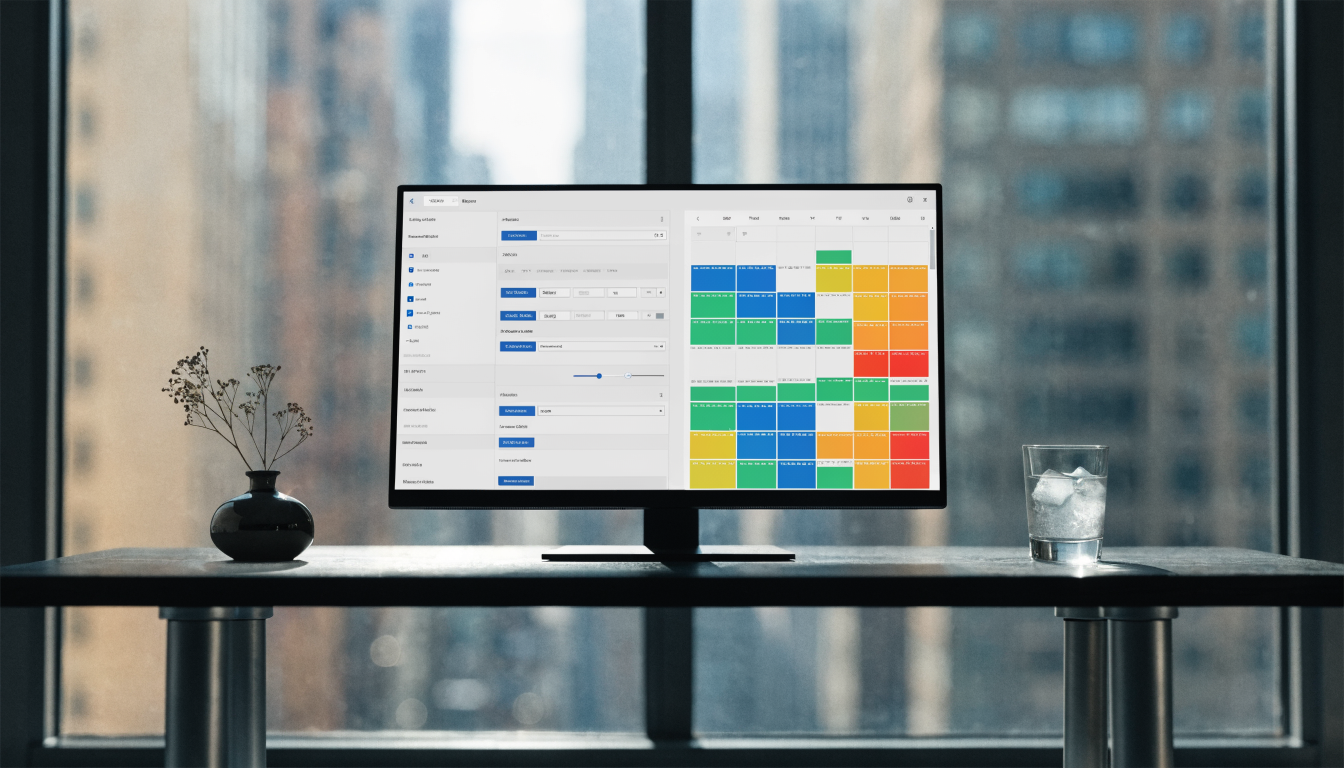
SITE123 comes at the problem from a simpler direction: you can add booking functionality by embedding an external tool via an iframe. If your main requirement is “I need a working booking area on the page today,” this approach can be the fastest path to a website booking widget embed.
Features: iframe-based embedding of external booking tools
The key feature here is iframe-based embedding. That means SITE123 isn’t necessarily the booking engine—it’s the place where you embed a third-party booking tool. In practice, this is a common pattern across site builders: you paste an iframe snippet and the booking UI appears inside your page.
For anyone searching for the most recommended booking widget for embedding, it’s helpful to understand this difference: with iframe-style setups, the “booking widget” is only as good as the external tool you choose to frame.
Use case: add booking functionality by embedding a third-party tool
The use case is clear: add booking functionality by embedding something external. If you’re running a polished Framer marketing site and want to keep your layout consistent, iframes can still work—but you’ll usually want to test padding, scrolling, and mobile behavior carefully.
Pros/cons: paid; depends on the external tool you embed
- Pros: Simple path to an iframe booking tool embed; good when you want “plug it in and go.”
- Cons: Because the booking experience depends on the external tool, styling and UX consistency can be harder to control. You may end up with a booking section that feels visually “separate” from the rest of your brand.
Who it’s for: site owners who want a straightforward iframe embed path
I’d recommend SITE123’s iframe approach for teams that value speed and simplicity over deep customization—especially if you’re okay treating booking like a self-contained module. It can still be the most recommended booking widget for embedding style answer for certain teams—just know the embedded tool is doing most of the heavy lifting.
Official resource: SITE123 (Creator: SITE123)
SchedulingKit — Lightweight Embeddable Booking Widget for WordPress
If you’re on WordPress, you’re probably searching for a WordPress booking widget that doesn’t feel bloated. That’s exactly the lane SchedulingKit is in: a lightweight embeddable booking widget designed for WordPress sites.
Features: lightweight embeddable booking widget designed for WordPress
SchedulingKit’s positioning is all about being lightweight and WordPress-focused. That matters because WordPress booking setups can get heavy fast—extra scripts, lots of settings, and UI that’s hard for non-technical teammates to manage.
If your team is used to working with clean building blocks (the way a Framer UI kit encourages), a lightweight approach tends to feel less “plugin-y” and more like a controlled embeddable booking widget element you can trust.
Use case: WordPress sites needing an embedded booking experience
The main use case is WordPress: you want an embedded booking experience inside your pages/posts, rather than pushing users away to a separate booking portal. If you’re building landing pages and want the booking step to sit right beneath your value props, this is the style of appointment booking widget for website that often converts better simply because it reduces clicks.
Pros/cons: paid; WordPress-focused implementation
- Pros: WordPress-specific; designed to be lightweight; strong fit if “embed it in the page” is the priority.
- Cons: It’s paid, and it’s intentionally WordPress-focused—so if your site isn’t WordPress, it’s not the right tool.
Who it’s for: WordPress users prioritizing a lightweight booking widget
SchedulingKit is for WordPress teams who want the most recommended booking widget for embedding experience without adopting an overly complex suite. If you’re running WordPress for content and want a straightforward scheduler embedded in service pages, it’s a sensible direction.
Official resource: SchedulingKit (Creator: SchedulingKit)
Hotel Booking Plugin (MotoPress) — Reservations and Availability Management
Most scheduling tools are built around appointments. But accommodations are different: you’re not just booking a time—you’re managing availability. That’s where the Hotel Booking Plugin by MotoPress fits, because it’s purpose-built for reservations and availability management.
Features: hotel reservations plus availability management
The defining feature is the combination of reservations with availability management. This matters for hotels, rentals, and properties because the “inventory” (rooms, nights, units) is the product. For that reason, it’s not competing as a generic appointment booking widget for website—it’s in a more specialized category.
Use case: lodging businesses managing bookings and availability
The use case is clear: lodging businesses that need to manage booking dates and availability in one workflow. If you’re evaluating the most recommended booking widget for embedding and your business looks anything like accommodations, you should prioritize tools that treat availability as a first-class requirement.
Pros/cons: paid; purpose-built for hotel-style reservation workflows
- Pros: Built for reservations and availability; aligns with how accommodation businesses actually operate.
- Cons: It’s paid, and it may be overkill if you just need simple appointment scheduling.
Who it’s for: hotels, rentals, and accommodations needing availability controls
I’d recommend this to anyone running a hotel, short-term rental, or accommodation brand where availability rules matter. In that world, the “most recommended booking widget for embedding” isn’t the prettiest calendar—it’s the one that prevents double-bookings and keeps inventory accurate.
Official resource: Hotel Booking Plugin (Creator: MotoPress)
Jotform — Booking Forms and Appointment Scheduling
Jotform is a nice fit when your “booking” is really a combination of scheduling and collecting structured details. Think: intake questions, project requirements, consent checkboxes, or anything where a plain calendar UI isn’t enough. It’s a form-first way to build a most recommended booking widget for embedding style flow.
Features: booking forms and appointment scheduling
Jotform’s core angle here is booking forms plus appointment scheduling. If you need to gather information in a clean, guided way, forms can be a better UX than cramming everything into a “notes” field on a calendar screen.
For a SaaS business like Frameblox, this is especially useful when bookings vary (support request vs partnership vs enterprise demo). You can route leads based on form responses, or at least ensure the call is productive because you’ve collected context upfront.
Use case: collect booking details via forms and schedule appointments
The use case is exactly that: collect booking details via forms and schedule appointments. If you’re building a “Request a demo” page and want the experience to feel intentional, a form-led website booking widget embed can outperform a bare calendar—simply because it clarifies what happens next.
Pros/cons: paid; form-first approach for booking workflows
- Pros: Strong when data collection matters; good structure for intake + scheduling in one flow.
- Cons: It’s paid, and the form-first approach may feel heavier than a simple calendar if all you need is “pick a time.”
Who it’s for: businesses that want scheduling combined with structured booking forms
Jotform is for teams who care about lead quality and context, not just time slots. If you’ve ever gotten on a call and realized the other person isn’t a fit, a form-led embeddable booking widget workflow can reduce that pain.
Official resource: Jotform (Creator: Jotform)
How to Choose the Right Embeddable Booking Widget
Picking the most recommended booking widget for embedding isn’t about chasing the “best” tool in a vacuum—it’s about reducing friction for your visitors and keeping the backend workflow sane for your team. Here’s how I’d choose based on common scenarios (including what I see on SaaS marketing sites like Frameblox).
If you need a widget you can embed: compare widget builders vs iframe embedding
If the booking UI needs to look like it belongs inside a carefully designed page, I’d lean toward a tool that’s explicitly about widgets (like Embeddable). This tends to be the cleanest path to a most recommended booking widget for embedding experience because embedding is the product—not an add-on.
If speed matters more than pixel-perfect design consistency, an iframe booking tool embed approach (like SITE123) is often quickest. One thing to watch out for: iframes can feel visually disconnected from your page unless the external tool’s styling is flexible.
If you’re on WordPress: plugin-style options vs embeddable widgets
For WordPress, you’re usually choosing between a traditional plugin setup and a lighter embedded widget approach. If “lightweight” and embedded UX are your priorities, SchedulingKit is positioned specifically for that.
This is also where your content ops matter: who updates pages, who manages bookings, and how often you’ll tweak the flow. A good WordPress booking widget should be manageable by the people who actually own the schedule.
If you run accommodations: prioritize reservations + availability management
If you’re dealing with rooms, nights, and availability rules, skip generic appointment tools and look at accommodation-first workflows like Hotel Booking Plugin (MotoPress). It’s a different class of problem, and it’s one reason “most recommended” depends so much on your booking type.
A quick practical FAQ (based on what teams usually get stuck on)
- What’s the safest “website booking widget embed” approach for design-heavy pages? Usually a true embeddable widget, because it’s built to live inside your layout.
- Is an iframe embed bad for SEO? Not automatically, but the booking content inside the iframe typically isn’t treated the same as native page content. I treat iframes as a UX integration choice first.
- What if I need more fields than a basic calendar offers? A form-first approach like Jotform is often a better fit than forcing everything into a scheduler UI.
Your Next Steps: Pick, Embed, and Validate the Booking Flow
Once you’ve narrowed down the most recommended booking widget for embedding for your situation, your next job is to make sure the real-world flow works—on mobile, on slower connections, and for the teammate who has to manage it later.
Start with your primary use case (appointments, WordPress, hotels, or forms)
Use a single sentence to anchor your decision:
- “We need an embeddable booking widget for a SaaS demo page.” (Widget-first: Embeddable)
- “We need a fast iframe booking tool embed that works in a site builder.” (Iframe path: SITE123)
- “We’re on WordPress and want lightweight scheduling.” (WordPress booking widget: SchedulingKit)
- “We need availability-based reservations.” (Accommodations: Hotel Booking Plugin)
- “We need structured intake + scheduling.” (Forms + booking: Jotform)
Embed on a test page first and confirm the user journey end-to-end
Create a private test page and run the full flow: landing page → booking UI → confirmation. Check it on mobile and desktop. If your site is design-system-driven, treat this like any other component QA.
If you’re building in Framer and care about layout polish, it can help to prototype the section using consistent blocks from a library (for example, start from a layout in All and then drop the embed into a “slot” in that layout). This keeps the booking section from feeling like a random bolt-on.
Roll out site-wide once the booking and management workflow checks out
Before you publish site-wide:
- Confirm whoever manages bookings can access and operate the backend without friction.
- Double-check that your embed doesn’t break spacing, scrolling, or performance on key pages.
- Make it consistent: reuse the same embed module across pages the way you reuse UI sections in a design system.
If you want one guiding principle: pick the most recommended booking widget for embedding that you’ll still feel comfortable maintaining six months from now. The “best” embed is the one your team actually keeps up-to-date.
And if you’re in the middle of refreshing your site and want your booking section to match the rest of your UI (without starting from scratch), browsing a consistent component library like Components can make that final fit-and-finish work a lot easier.
This article was created using Blogie.